High Dolomites: Finding Solitude Beyond Common Trails
When the summer gondolas fall silent, the northern limestone peaks reveal their true archaic character.
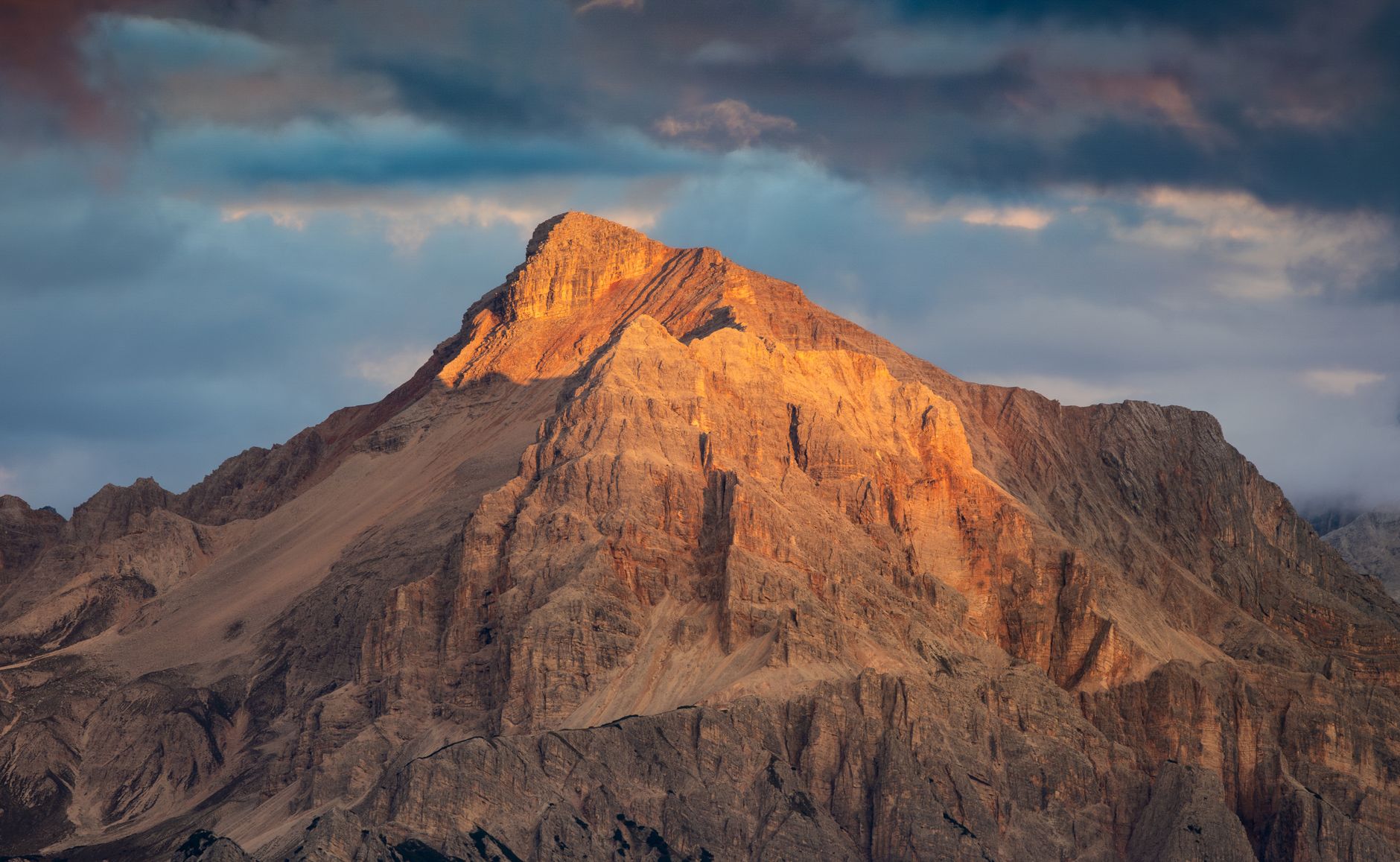
Table of Contents
In July and August, the major passes of the Dolomites resemble bustling squares. Tour buses crowd the asphalt hairpin turns, and drone propellers buzz above turquoise tarns. Yet wait until mid-October, when the larch needles turn molten gold and morning frost sparkles on the meadows, and an entirely different world opens.
The Late-Autumn Atmosphere
Walking past the closed lift stations near Val Gardena, you are suddenly wrapped in absolute silence. Only the crunch of frozen gravel underfoot and the cry of an alpine chough break the air. The Pale Mountains—named for the calcium carbonate and magnesium that reflect soft rose hues at sundown—revert to their ancient isolation.
"The true essence of high altitude is not conquering a summit, but learning how small your preoccupations are against three-hundred-million-year-old reef rock."
Historic Stone Rifugios
While modern hotels offer spas and heated plunge pools, the true heart of Tyrolean culture beats inside the small, family-tended rifugios that remain open through October. Here, dinner is not a tasting menu, but a steaming bowl of buckwheat canederli served with mountain cabbage and melted butter from the high pastures.
Sleeping beneath rough wool blankets while wind rattles the wooden window shutters provides a profound sense of containment. You wake before sunrise to see the jagged spires of the Tre Cime bathed in enrosadira—the fabled alpine glow.
Selecting the Unpaved Passes
To avoid crowds, leave the marked photo vantage points. Seek the military trails built during the First World War: narrow paths cut into sheer cliffs with iron wire supports, passing forgotten stone tunnels where history lingers quietly.
Plan Your Alpine Escape
Our studio crafts tailored high-altitude itineraries for autumn and spring.
Request Custom Dossier