Kyoto’s Morning Mist: Zen Kitchens and Cedar Baths
The quiet discipline of North Kyoto's timber temples and centuries-old culinary philosophy.
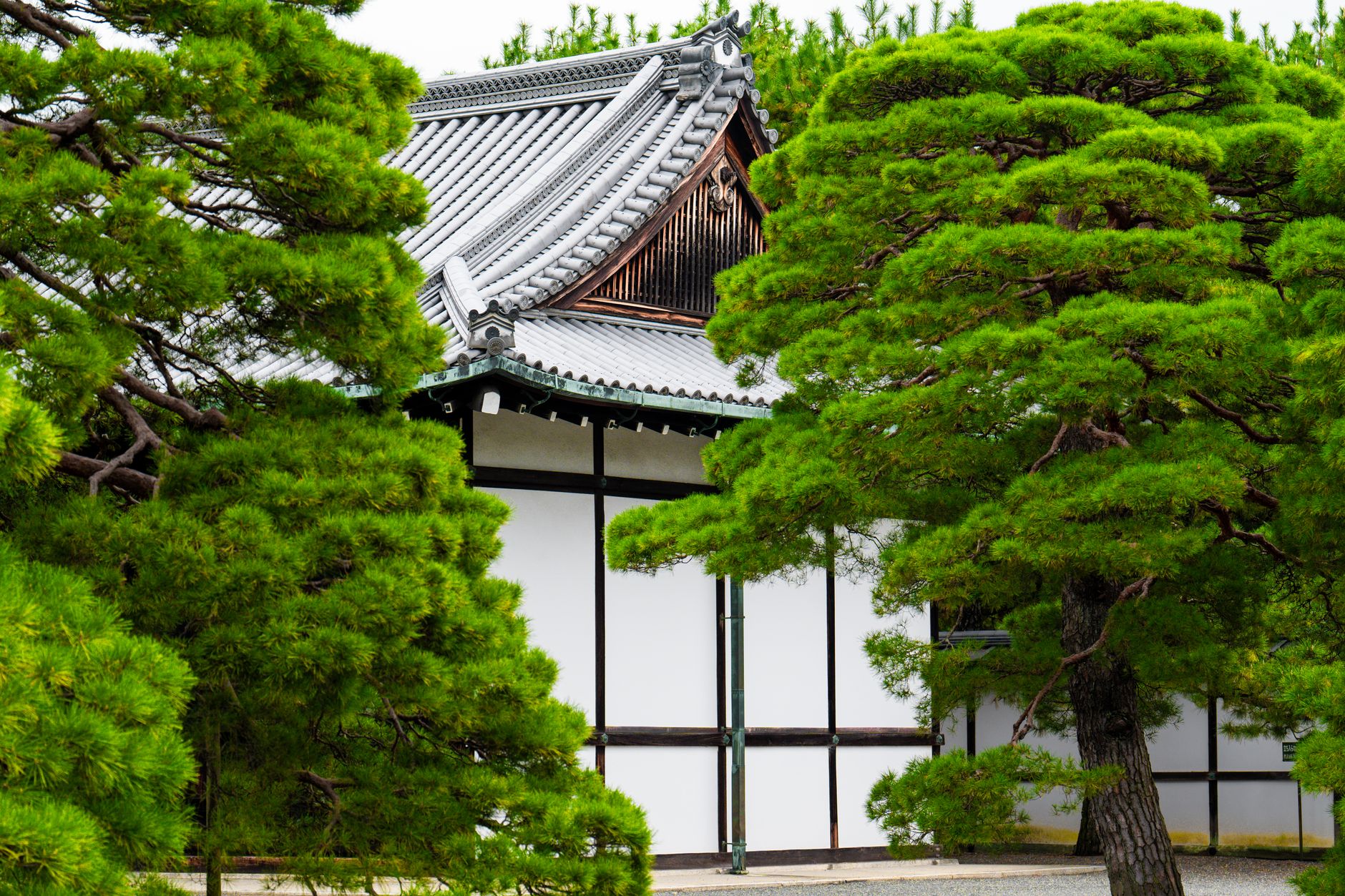
Table of Contents
Long before tourist crowds fill the avenues of Gion, Northern Kyoto slumbers beneath a pale river fog. In Ohara and Kurama, the sound of wooden water basins (tsukubai) drops rhythmically onto moss beds. Here, luxury is defined not by excess, but by the utter absence of needless ornamentation.
The Sound of Raked Gravel
At Daitoku-ji, the morning bell reverberates through ancient cedar beams. The monks move silently along polished wooden walkways with cloths in hand. Walking barefoot on tatami mats cooled by mountain drafts awakens senses dull from urban living.
"In Japanese aesthetics, shadows are not empty darkness; they are the canvas upon which quiet contemplation takes shape."
Shojin Ryori: Temple Cuisine
For breakfast, we join a head monk preparing shojin ryori—the vegetarian discipline developed in Zen monasteries over eight centuries. Every vegetable peel, kombu root, and mushroom stem is utilized. The meal consists of sesame tofu infused with fresh mountain wasabi, simmered winter melon, and pickles cured in cedar casks.
There is no salt shaker or artificial seasoning; each component honours the soil, rain, and seasons that brought it forth.
Architecture in Hinoki Cedar
Evening brings us to a restored 180-year-old machiya townhouse. Sliding shoji screens blur the distinction between interior warmth and the stone courtyard garden outside. The scent of aromatic hinoki wood drifts from the soaking bath, inviting complete relaxation after hours of mountain wandering.
Experience Private Kyoto Living
We arrange access to discrete private residences and temple gardens throughout Japan.
Inquire with our Desk